Austin Police Department Crash Reports, How To Request And Read Your CR 3 Form
If you were in a wreck in Austin and the police came to the scene, there is a very good chance a Texas Peace Officer Crash Report, called a CR 3, exists for your crash. This guide walks you through how to get that report through the TxDOT Crash Report Online Purchase System, then how to read the most important parts of the form in plain English.
1. Quick overview
In Texas, crash reports from law enforcement, including the Austin Police Department, are stored by the Texas Department of Transportation, often called TxDOT, for at least ten full calendar years plus the current year.
You can buy a copy of your CR 3 report online through TxDOT’s Crash Report Online Purchase System for a small fee, usually six dollars for a regular copy and eight dollars for a certified copy.
This article explains:
You can buy a copy of your CR 3 report online through TxDOT’s Crash Report Online Purchase System for a small fee, usually six dollars for a regular copy and eight dollars for a certified copy.
This article explains:
- Who can get a crash report
- Step by step, how to use the TxDOT online system
- How to read the key parts of your CR 3 report in simple terms
2. What is the Texas CR 3 crash report
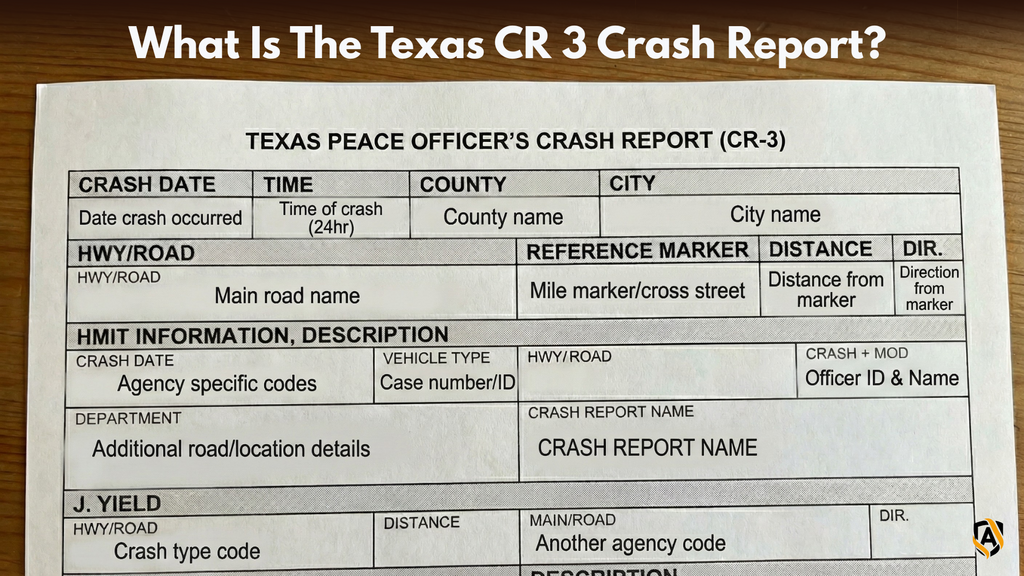
The Texas Peace Officer Crash Report, called form CR 3, is the official state form that police use when they investigate certain crashes.
In simple terms, your CR 3 report is:
- The official story of what happened, from the officer’s point of view
- A record of who was involved and their contact and insurance information
- A list of injuries, damage, road conditions, and any tickets or charges
Under Texas law, when a peace officer investigates a motor vehicle crash that causes injury, death, or at least one thousand dollars in apparent property damage, the officer must submit a written crash report to TxDOT within ten days.
TxDOT then keeps those reports in its Crash Records Information System for at least ten full years plus the current year.
3. Are you allowed to get a copy of the report
Crash reports are not fully public for everyone. Texas Transportation Code section 550 point zero six five limits who can receive a copy.
You can usually get the report if you are:
- A person involved in the crash
- A driver, passenger, pedestrian, or cyclist listed in the report
- A parent or legal guardian of a person involved
- The owner of a vehicle or property damaged in the crash
- An insurance company or its agent for someone or something involved
- A lawyer or law firm representing someone involved
The TxDOT online system will ask you to confirm that you fit one of these categories. Be honest, since this is a legal requirement.
4. Special note for Austin Police Department crashes
If your crash was inside Austin city limits and the Austin Police Department handled it, you have two main ways to request the report:
- LexisNexis BuyCrash portal
The City of Austin’s own website directs people to purchase APD online crash reports through LexisNexis Police Reports. - TxDOT Crash Report Online Purchase System
Because APD sends qualifying crash reports to TxDOT, you can also usually request the same CR 3 report directly from TxDOT’s Crash Report Online Purchase System.
This article focuses on the TxDOT system, since it works statewide and uses the same steps whether your crash was handled by APD, DPS, or another Texas agency.
5. Step by step, how to get an Austin police crash report through TxDOT
Step 1. Wait a short time after the crash
The officer has up to ten days to submit the crash report to TxDOT.
In real life, many reports show up in the TxDOT system within about one to two weeks after the wreck.
If you search too early, the system may simply say no report is available.
Step 2. Gather basic crash information
The TxDOT online system needs enough information to find your specific crash. You can usually search using one of these:
- Full legal name of a person involved
- Driver license number of a person involved
- Vehicle Identification Number, the VIN, of a vehicle involved
- TxDOT Crash ID for the crash, an eight digit number if you have it
Before you sit down at the computer, write down:
- Your full legal name and driver license number
- The other driver’s full name if you have it
- Date of the crash
- Approximate time and location
- License plate numbers
- Any APD incident or case number that appears on your paperwork
The more information you can enter, the easier it is for the system to match the correct report.
Step 3. Go to the TxDOT Crash Report Online Purchase System
- Open your web browser.
- In the address bar, type the TxDOT crash reports and records page or search online for “TxDOT crash report online purchase system.”
- Click the link to the Crash Report Online Purchase System or the Crash Report Purchase Portal.
You should see a TxDOT page that explains this is the official system for locating and purchasing Texas Peace Officer Crash Reports, CR 3.
Step 4. Confirm your role and accept the terms
The site will ask you to agree that:
- You understand the legal limits on who can obtain a report
- You are a person allowed under Texas Transportation Code section 550 point zero six five, such as someone involved in the crash or their insurer or lawyer
Read the notice, then click to confirm and continue.
Step 5. Search for your crash
The exact screen layout can change over time, but the usual process is:
- Choose your search type, for example by person name, driver license number, VIN, or TxDOT Crash ID.
- Enter the required information, such as:
- Last name and first name of someone involved
- Crash date or a date range
- County or city, for example Travis County or Austin
- Submit the search.
If the system finds possible matches, it will list them so you can pick the right crash based on date, time, and location.
If the system cannot identify your crash with the information given, it will not let you purchase the report. In that case, double check the spelling of names and the crash date, or try searching by a different item, such as VIN or TxDOT Crash ID.
Step 6. Choose regular or certified copy
Once you select your crash, the system will ask what type of copy you want.
- A regular copy is usually enough for insurance claims and for your own records.
- A certified copy includes a TxDOT certification and is usually used for court or certain official purposes.
Current TxDOT fees are usually:
- Six dollars for a regular electronic copy
- Eight dollars for a certified electronic copy
You pay online with a debit or credit card through the secure portal.
Step 7. Pay and download your report
After you pay:
- The system should let you download your report as a PDF right away if it is available.
- TxDOT will email a receipt that includes a local reference ID or similar code. You can use that reference if you ever need to download the report again.
Save the PDF to your computer and also print a paper copy for your files and for your insurance claim.
Step 8. If you cannot use the online system
If you cannot use the online system, TxDOT allows you to request a CR 3 report by mail using form CR 91, Request for Copy of Peace Officer Crash Report.
Very short version of that process:
- Download form CR 91 from the TxDOT website or request it from law enforcement.
- Fill in as much crash information as you can.
- Include a check or money order for the correct fee.
- Mail the packet to the Crash Records address listed on the form.
For most people in Austin, the online system is faster and easier.
6. How to read your Texas peace officer crash report
Once you have the PDF, it can look confusing. It is full of boxes, codes, and abbreviations. Here is a simple road map.
A. Top of page one, crash basics
Near the top of page one you will usually see:
- Crash date and time
- City, county, and road names
- Weather and light conditions
- Crash severity, for example fatal, injury, or property damage only
Check this section to confirm that:
- The location matches where your crash actually happened
- The time is correct or close
- The crash severity matches what you know about the injuries
B. Units and people involved
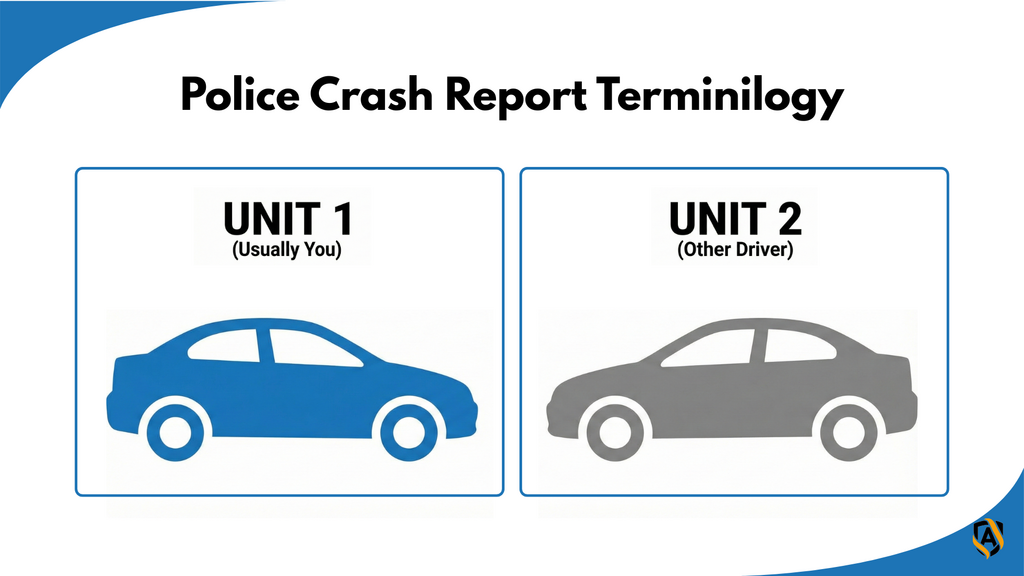
The report calls each vehicle or road user a unit. For example:
- Unit 1 might be your car
- Unit 2 might be the other driver
- A pedestrian or cyclist can also be listed as a unit
Below each unit, there are sections for people in that unit.
Look for:
- Correct names and addresses
- Correct vehicle make, model, and year
- Correct insurance company and policy number
- Seat position and whether safety belts or child seats were used
- Any drug or alcohol tests listed
If this information is wrong, insurance companies can get confused about who was involved.
C. Injury codes
Next to each person, you will see a small box for injury severity. The officer uses a code that connects to a separate TxDOT code sheet for the CR 3.
Common codes include things like:
- No injury
- Possible injury
- Non incapacitating injury
- Incapacitating injury
- Fatal injury
You can download the official CR 3 code sheet from TxDOT and compare the numbers on your report to the list of meanings.
D. Factors and conditions
There is a section labeled with contributing factors or similar language. This is where the officer records what they believe caused or contributed to the crash, using codes and short descriptions.
Examples include:
- Failure to yield
- Speeding
- Distraction in vehicle
- Alcohol or drug involvement
- Weather or road surface problems
This section matters because insurance adjusters often look at it when deciding fault.
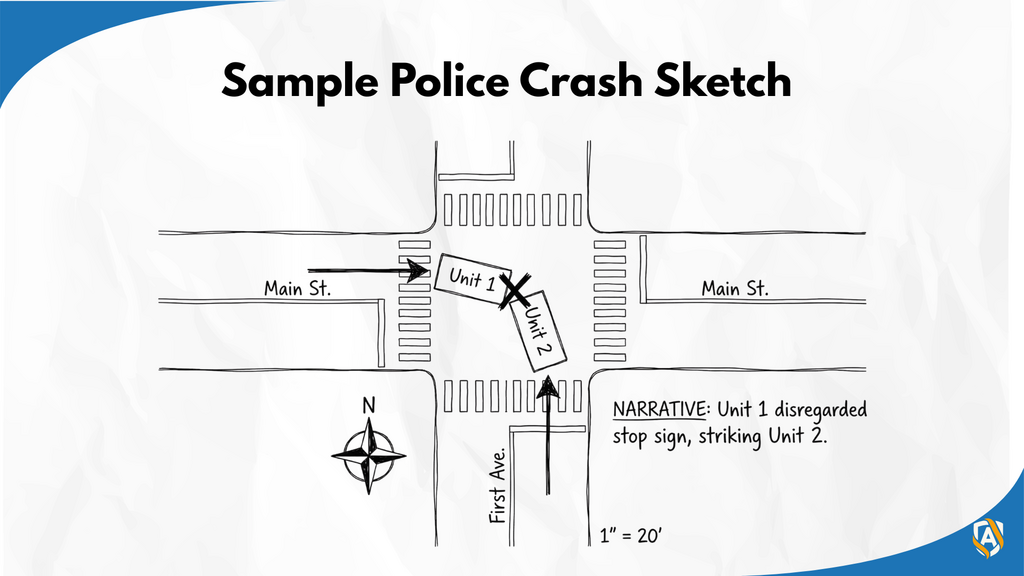
E. Narrative and diagram
At the end of the report, you should see:
- A box with a sketch of the crash scene
- A written narrative where the officer explains what they think happened
In the diagram, look for:
- Which direction each vehicle was traveling
- Where the impact happened on the roadway
- Traffic signs, signals, or lane markings
In the written narrative, look for:
- A simple story of how the officer believes the crash occurred
- Any mention of witnesses
- Any mention of driver statements
If something seems very wrong in the narrative, talk to a lawyer about your options for addressing it.
F. Citations and charges
There is usually a section that lists any tickets or charges the officer issued, for example speeding or failure to control speed.
Even if the officer did not give a ticket, that does not automatically mean no one is at fault. It simply means the officer chose not to issue a citation at that time.
7. Common mistakes people make with crash reports
Here are problems that come up again and again:
- Waiting too long to get the report
The TxDOT system keeps reports for years, but insurance claims move faster. Get your report early in the claim process. - Not reading the full report
People sometimes look only at the first page and miss important details, such as injury codes, contributing factors, and citations. - Assuming the report is perfect
Officers can make mistakes with names, insurance information, or how they describe the crash. If you see a serious error, consider speaking with a lawyer. - Sharing the report on social media
A crash report contains personal information. Posting it online can expose private details about you and others, and can be risky given past concerns about data security in the crash records system.
8. When to talk to a Texas injury lawyer
It is wise to at least consider speaking with a Texas lawyer if:
- Someone was seriously hurt or killed
- More than one insurance company is involved
- The report blames you and you disagree
- The report leaves out important facts or witnesses
- You are getting pressure to accept a quick settlement
A lawyer can:
- Walk through the CR 3 with you line by line
- Help explain codes and injury ratings
- Talk with adjusters and use the report as part of a claim
- Advise you on deadlines and options if you feel the report is wrong
Remember, this article is general education for Texas readers. Only a licensed attorney who reviews your actual report and paperwork can give advice for your specific situation.
9. Frequently asked questions about Austin and Texas crash reports
1. How do I get an Austin police crash report online
If APD handled your crash, you can usually get your report in two ways. The City of Austin links people to LexisNexis BuyCrash for APD reports, and you can also request the same Texas Peace Officer CR 3 report through the TxDOT Crash Report Online Purchase System.
In both systems, you search using basic crash information, then pay a small fee to download the report.
2. How much does a Texas crash report cost through TxDOT
TxDOT typically charges six dollars for a regular copy and eight dollars for a certified copy of a Texas Peace Officer Crash Report.
You can usually pay online with a debit or credit card. Prices can change over time, so always double check the fee listed in the TxDOT portal.
3. How long after a wreck before my crash report is available
Officers are supposed to file the report with TxDOT within ten days when the crash involves injury, death, or at least one thousand dollars in property damage.
Many reports show up in the TxDOT system within about one to two weeks. If you search and do not find it, wait a few days and try again.
4. What if the TxDOT system cannot find my crash
If the TxDOT search says no report is available, first check:
- The spelling of names
- The crash date
- Whether you picked the correct county or city
Then try a different search type, such as VIN or driver license number.
If you still cannot find it, you can contact TxDOT Crash Records support or ask APD records if a CR 3 was filed for your crash.
5. Do I need a certified copy of my crash report
Most of the time, a regular copy is enough for insurance claims and for your own records.
You may want a certified copy if:
- You expect to file a lawsuit
- A court, insurer, or other agency asks for a certified version
- Your lawyer recommends it
Certified copies cost a little more and include a TxDOT certification that confirms the report is an official record.
6. Can anyone in Texas get my crash report
No. Texas Transportation Code section 550 point zero six five limits who can get a copy.
In general, it is limited to people with a direct interest in the crash, such as people involved, their insurers, and their lawyers, plus certain news organizations. The TxDOT system will ask you to confirm what role you have before releasing a report.
7. What if my CR 3 report is wrong
If you see serious mistakes, such as the wrong vehicles, wrong directions of travel, or wrong statements about who was injured, you have a few options:
- Gather your own evidence, such as photos, medical records, and witness information
- Talk with a Texas injury lawyer about the errors
- Your lawyer may ask the officer or agency to supplement or correct the report, or may rely on other evidence to challenge the report in an insurance claim or lawsuit
There is no simple online button to edit the report yourself.
8. Does the crash report decide who is at fault for my claim
The crash report is important, but it is not the final word. It records the officer’s observations and opinions at the time of the investigation.
Insurance companies and courts can consider other evidence, such as witness testimony, videos, and expert opinions, when deciding fault and damages.
9. How long does TxDOT keep crash reports
TxDOT keeps crash reports and related data for the previous ten full calendar years plus the current year.
If your crash is older than that, the report may no longer be available through the online system, and you may need to look for other records such as court filings or insurance files.
10. Can I get my crash report without paying the TxDOT fee
TxDOT is allowed by law to charge a fee for crash reports, and the online system always requires payment.
Some private law firms offer to get the report for you at no cost to you as part of a possible injury claim, but usually they are paying the TxDOT fee behind the scenes. Always read any agreement carefully before you sign.
10. Final recap
For Austin wrecks investigated by Austin police, your Texas Peace Officer Crash Report, the CR 3, is stored with TxDOT and is usually available through the TxDOT Crash Report Online Purchase System for a small fee. The process is straightforward once you gather your crash information and follow the steps in the portal.
Once you have the report, spend time with the key sections, crash details at the top, units and persons involved, injury codes, contributing factors, and the narrative and diagram. What is written there can strongly affect your insurance claim and any future legal case.
If you feel overwhelmed, if the injuries are serious, or if you think the report is wrong or unfair, speaking with a Texas lawyer can help you understand your options and protect your rights.
About the Author

Aaron B Mickens
For over 25 years, Aaron has fought for justice on behalf of Austin's injured. He is committed to standing up to insurance companies and winning for clients across Central Texas.
View all articles by AaronNeed Legal Help?
Contact our experienced Austin personal injury attorneys for a free consultation.