Hit by a Drunk Driver in Austin: When Can You Sue the Bar? (Texas Dram Shop Laws)
It’s a scenario we see too often in Austin.
You are driving home late on a Saturday. Maybe you were navigating the chaos of Cesar Chavez after a night out, or maybe you were just trying to get across the river on South Congress. Suddenly, headlights drift into your lane.
You don’t have time to react.
When the dust settles, you find out the other driver was drunk. And not just "a little buzzed". We’re talking about three times the legal limit, stumbling out of the car, completely incoherent.
Your first thought is to sue the driver. And you should. But here is the cold reality of Texas insurance: Drunk drivers rarely carry enough insurance to pay for the damage they cause.
If you have $100,000 in medical bills and the driver only has the state-minimum $30,000 policy (or no insurance at all), you are left holding the bag.
This is where Texas Dram Shop Law comes in.
If that driver got drunk at a bar on Rainey Street or West 6th, that establishment might be just as responsible as the person behind the wheel. But suing a bar in Texas is not as simple as pointing a finger. It is a legal minefield with specific hurdles you need to clear.
Here is what you need to know about holding Austin bars accountable.
What is "Dram Shop" Liability?
"Dram shop" is an old legal term (from when gin was sold by the "dram" or spoonful), but the concept is modern and critical for injury victims.
Under the Texas Alcoholic Beverage Code, a provider of alcohol (bar, restaurant, club, or even a stadium) can be held liable for damages if:
It was apparent to the provider that the person being served was obviously intoxicated to the extent they presented a clear danger to themselves and others; and
The intoxication was a proximate cause of the accident.
In plain English: If a bartender sees someone slurring their words, stumbling, or acting aggressive, and still hands them another beer, that bar is breaking the law. If that person then drives off and hits you, the bar shares the blame.
The "Obvious Intoxication" Hurdle
This is where 90% of these cases are won or lost.
It is not enough to prove the driver was drunk after the crash. We have to prove they were obviously drunk at the time they were served their last drink.
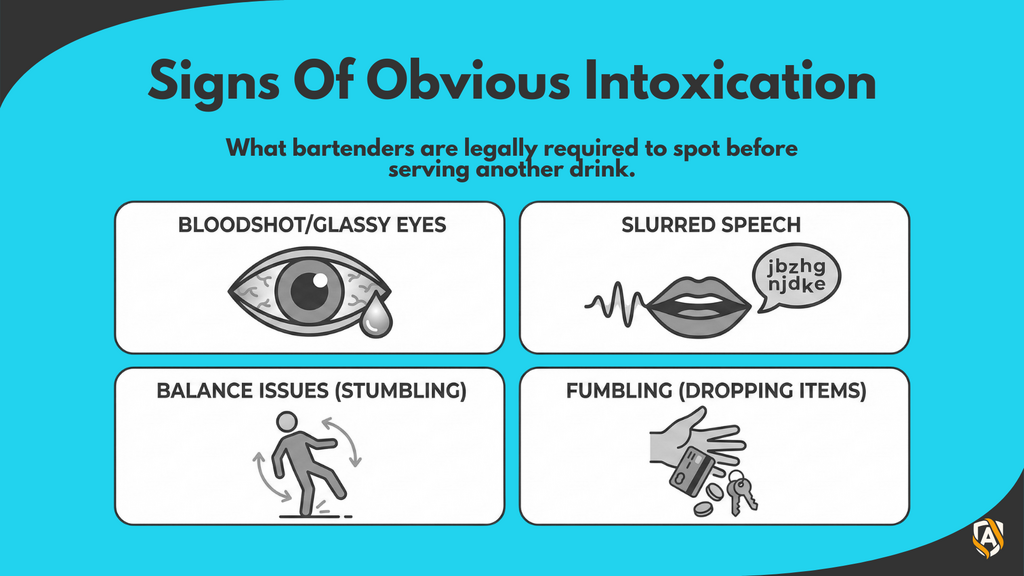
Texas law sets a high bar here. We have to show that the signs of intoxication were visible and obvious to a reasonable person. We look for evidence like:
Slurred speech or loud, incoherent rambling.
Bloodshot, glassy eyes.
Difficulty balancing (stumbling, leaning on the bar).
Fumbling with money or credit cards.
Aggressive or overly emotional behavior.
How We Get This Evidence
Since you weren't at the bar, you might wonder how we prove this. We move fast to secure evidence before it disappears:
The "Black Box" of the Bar: We pull the Point of Sale (POS) receipts. If we see a tab where a single person bought 6 shots in 45 minutes, that’s strong evidence of reckless service.
Security Footage: Cameras on West 6th and Rainey Street are everywhere. We send preservation letters immediately to get the footage of the driver leaving the bar. Did they stumble? Did they drop their keys? Did the bouncer have to help them to the door?
Witness Interviews: We find the servers, the bouncers, and even other patrons. You’d be surprised how often a cocktail waitress will admit, "Yeah, I told the manager he was cut off, but the bartender served him anyway."
The "Safe Harbor" Defense: The Bar’s Get-Out-of-Jail-Free Card
If we sue a bar, their defense team will almost immediately file something called a "Safe Harbor" defense.
This is a unique Texas law that says a bar is exempt from liability for the actions of its employees if:
The bar requires its employees to attend TABC-approved seller training;
The employee actually attended that training; and
The employer did not directly or indirectly encourage the employee to violate the law.
This sounds like a watertight shield, but it has cracks.
The weak point is usually #3: "Indirect encouragement."
We look at the culture of the bar. Does the manager turn a blind eye to over-serving because it boosts profits? Does the bar have a policy of "don't ask, don't tell" when it comes to VIP clients? If we can prove the bar prioritized profit over safety, effectively encouraging the staff to keep pouring, the Safe Harbor defense crumbles.
Why These Cases Are "High Value" (Punitive Damages)
Why go through all this trouble to sue the bar?
Two reasons: Policy Limits and Punitive Damages.
First, commercial bars carry much larger insurance policies than individual drivers, often $1 million or more. If your injuries are severe (surgery, long-term rehab), the driver’s insurance simply won’t be enough.
Second, drunk driving cases are one of the few areas in civil law where you can ask for Punitive (Exemplary) Damages.
Punitive damages aren’t meant to reimburse you for medical bills; they are meant to punish the defendant. To get them, we have to prove Gross Negligence. We have to show that the bar didn't just make a mistake, but acted with "conscious indifference" to the safety of others.
Example:
If a bar on Rainey Street knows a regular customer always drives home drunk, and they serve him 10 drinks and watch him walk to his truck without calling a cab, that isn't just negligence. That is a conscious choice to endanger the public. Juries in Travis County do not look kindly on that, and the settlement offers often reflect that risk.
A Note on "Social Hosts" (House Parties)
Clients often ask: "The driver got drunk at a friend’s house party in West Lake. Can I sue the homeowner?"
Generally, no.
Texas does not have "Social Host Liability" for adults. If you host a dinner party and pour your friend too much wine, you are not liable if they drive home and crash (unless you charged them for the alcohol).
The Exception: Minors.
If an adult knowingly serves alcohol to a minor (someone under 18) who is not their child, they are strictly liable for any damages that minor causes.
The Clock is Ticking (Statute of Limitations)
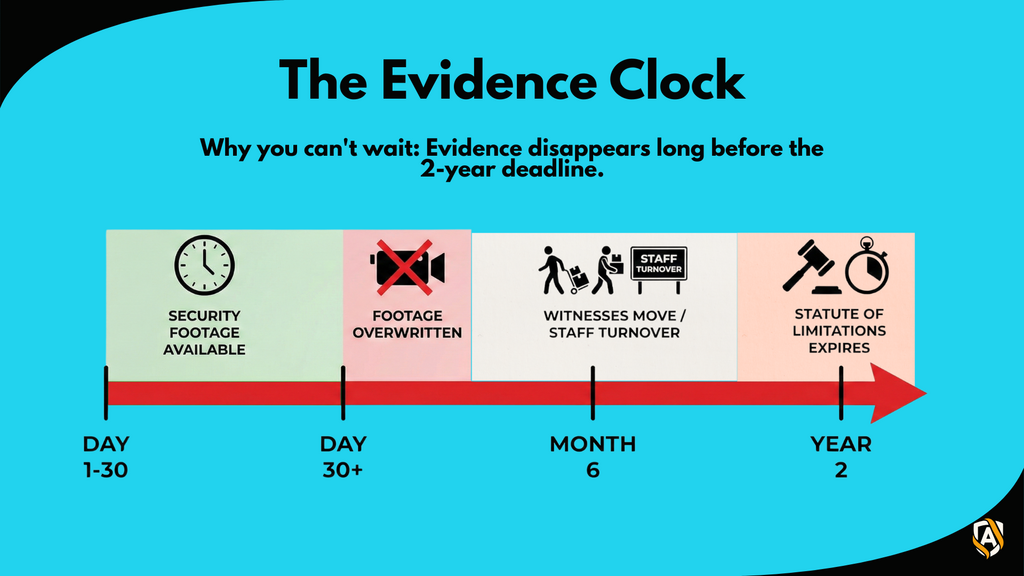
Like most injury claims in Texas, you have two years from the date of the crash to file a Dram Shop lawsuit.
But practically, you have much less time than that.
Video footage is often overwritten after 30 days.
Receipts get lost.
Witnesses move away (especially in a transient city like Austin).
Staff turnover in bars is incredibly high. The bartender who served the driver might be working in another city three months from now.
If you wait six months to hire a lawyer, the evidence we need to prove "obvious intoxication" might already be gone.
What Should You Do?
If you suspect the driver who hit you was coming from a bar, restaurant, or club:
Tell the Police: When the officer arrives (or when you file your CR-2 form), state clearly that you suspect the driver is intoxicated. Ask them to find out where the driver was coming from.
Preserve Your Own Evidence: Did the driver stumble out of the car? Did they throw something in the bushes (like a flask)? Record everything.
Call a Lawyer Who Knows Dram Shop Law: These are not standard car accident cases. You need a firm that knows how to subpoena TABC records, defeat the "Safe Harbor" defense, and litigate against commercial insurance legal teams.
We know the Austin nightlife scene. We know which bars have a reputation for dangerous service. And we know how to hold them accountable.
For over 25 years, Aaron has fought for justice on behalf of Austin's injured. He is committed to standing up to insurance companies and winning for clients across Central Texas.
.png)