Uneven Sidewalks in Austin Can You Sue the City
Uneven sidewalks are a common sight in Austin. Tree roots, soil movement, construction activity, and aging infrastructure can all cause sidewalk panels to lift or crack. While many people walk past these hazards every day without incident, uneven pavement can lead to serious trip and fall injuries. When a fall happens on public property, many people ask the same question. Can you sue the City of Austin for an uneven sidewalk?
The answer depends on several legal factors under Texas law. Understanding how claims against the city work can help injured pedestrians know what steps may be available after a fall.
Why Uneven Sidewalks Are a Problem in Austin
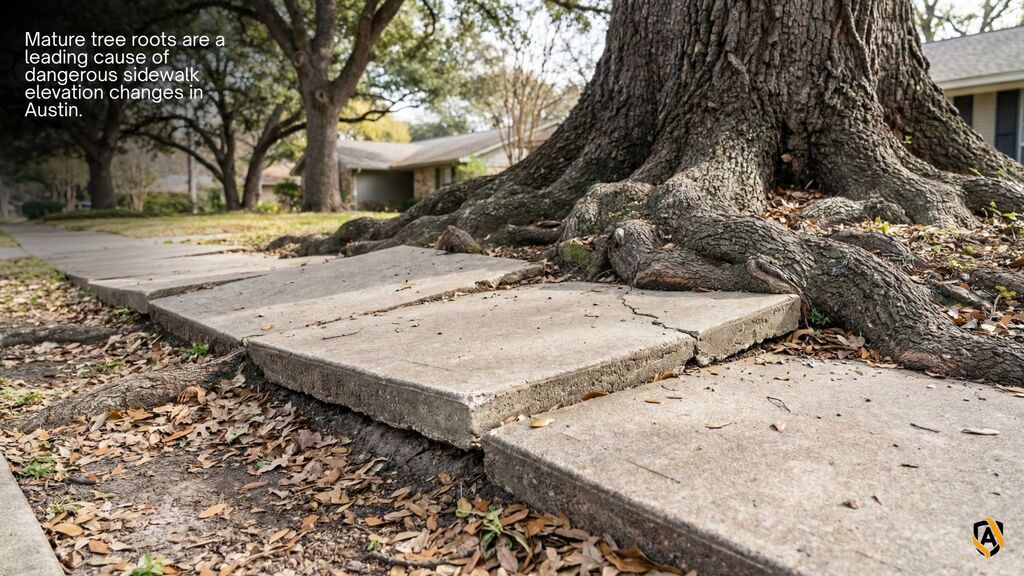
Austin has thousands of miles of sidewalks, many of which run alongside mature trees. As roots grow, they can push concrete slabs upward and create sudden elevation changes. Heavy rain, drought conditions, and soil expansion can also cause shifting over time.
Uneven sidewalks may be especially dangerous because they are not always obvious. Changes in elevation of just one or two inches can be enough to cause a pedestrian to trip, particularly in shaded areas, crowded downtown zones, or neighborhoods without consistent maintenance.
Who Is Responsible for Sidewalk Maintenance?
In Austin, sidewalk responsibility can vary based on location.
In many residential areas, property owners may be responsible for maintaining sidewalks adjacent to their property. In other locations, especially near public buildings, parks, and downtown corridors, the City of Austin may be responsible for inspection and repairs.
When the city owns or controls the sidewalk, any injury claim is governed by the Texas Tort Claims Act. This law sets strict rules and limitations on when a city can be held legally responsible for injuries on public property.
When Can the City of Austin Be Held Liable?
Suing a city is different from suing a private property owner. Under the Texas Tort Claims Act, the City of Austin may only be held liable in limited situations.
Generally, an injured person must show that:
- The sidewalk defect posed an unreasonable risk of harm
- The city knew or should have known about the uneven condition
- The city failed to repair the sidewalk or warn pedestrians within a reasonable time
- The uneven sidewalk caused the injury
If the city had no prior notice of the defect, liability may be harder to establish. Notice can sometimes be shown through prior complaints, repair records, or evidence that the condition existed long enough that the city should have discovered it.
What Counts as a Dangerous Sidewalk Condition?
Not every crack or height difference qualifies as a dangerous condition under Texas law. Courts often consider factors such as:
- The height difference between sidewalk panels
- Whether the condition was hidden or difficult to see
- Lighting and visibility at the time of the fall
- The location and amount of pedestrian traffic
- Prior incidents or complaints
Some uneven sidewalks may be considered minor or expected imperfections. Others may rise to the level of a dangerous condition depending on the circumstances.
Deadlines for Claims Against the City of Austin
Claims against the City of Austin are subject to shorter deadlines than typical personal injury cases.
In most situations, a formal notice of claim must be provided to the city within six months of the injury. This notice usually must include the date, location, and description of the incident and injuries.
Failing to provide proper notice on time can result in the claim being barred, even if the injury is serious.
Common Injuries From Sidewalk Trip and Falls
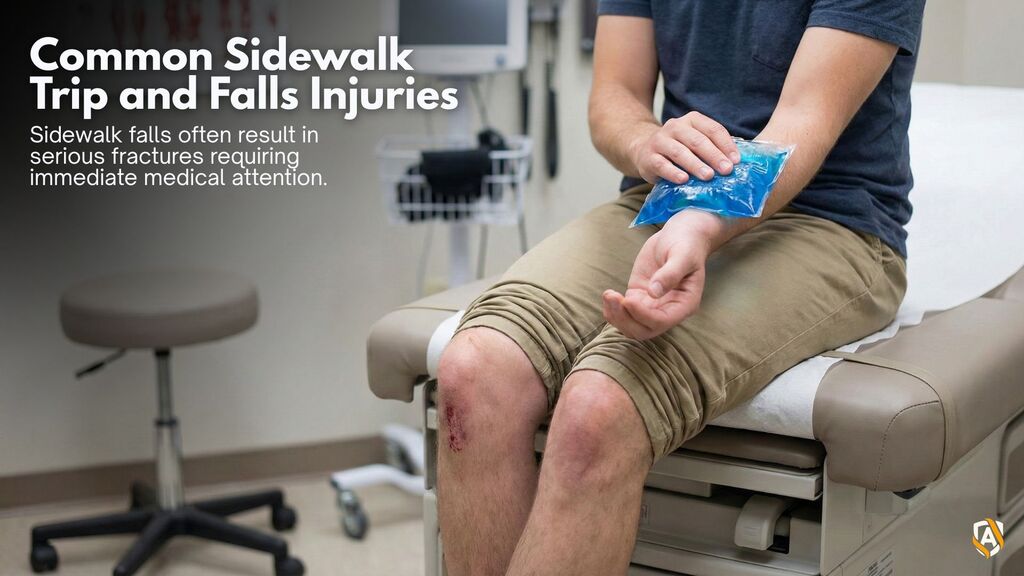
Falls on uneven sidewalks can cause more than minor scrapes. Common injuries include:
- Broken wrists, arms, or ankles
- Knee and shoulder injuries
- Head injuries and concussions
- Hip fractures
- Back and neck injuries
Medical treatment, time off work, and long term limitations can follow what initially seemed like a simple fall.
What to Do After a Sidewalk Fall in Austin
After a fall on a public sidewalk, documentation matters. Photos of the uneven sidewalk, the surrounding area, and any visible injuries can be helpful. Seeking medical care and keeping records of treatment is also important.
Because claims against the city involve unique legal rules, many injured pedestrians seek information early to understand their rights and obligations under Texas law.
Frequently Asked Questions
Can you sue the City of Austin for an uneven sidewalk?
In some cases, yes. The City of Austin may be held responsible if the sidewalk posed a dangerous condition, the city had notice of the problem, and it failed to repair or warn about it within a reasonable time.
How uneven does a sidewalk have to be to qualify as dangerous?
There is no exact measurement that automatically makes a sidewalk dangerous. Courts look at the size of the height difference, visibility, location, and surrounding circumstances to determine whether the condition posed an unreasonable risk.
What if a tree root caused the sidewalk to lift?
Tree roots are a common cause of uneven sidewalks in Austin. If the city owned or controlled the sidewalk and knew or should have known about the root damage, liability may still be possible under certain circumstances.
How long do you have to file a claim against the City of Austin?
Most claims require notice to the city within six months of the injury. This deadline is shorter than standard personal injury cases and is strictly enforced.
What if the sidewalk is in front of a private home?
In some residential areas, the adjacent property owner may be responsible for sidewalk maintenance. Liability depends on local rules, ownership, and control of the sidewalk where the fall occurred.
About the Author

Aaron B Mickens
For over 25 years, Aaron has fought for justice on behalf of Austin's injured. He is committed to standing up to insurance companies and winning for clients across Central Texas.
View all articles by AaronNeed Legal Help?
Contact our experienced Austin personal injury attorneys for a free consultation.