
Wrongful Death Damages in Texas: What Families Should Know
If you recently lost a loved one because of someone else’s actions, you may be hearing the phrase “wrongful death damages” and wondering what it really means. This article explains, in plain English, what families in Texas can generally recover, how these cases work, and what to expect along the way.
What Wrongful Death Means in Texas
In simple terms, a wrongful death claim is a lawsuit that close family members can bring when a person dies because of someone else’s careless or intentional act. Texas law allows certain relatives to ask the court for money damages as a way to recognize the financial and emotional impact of the loss.
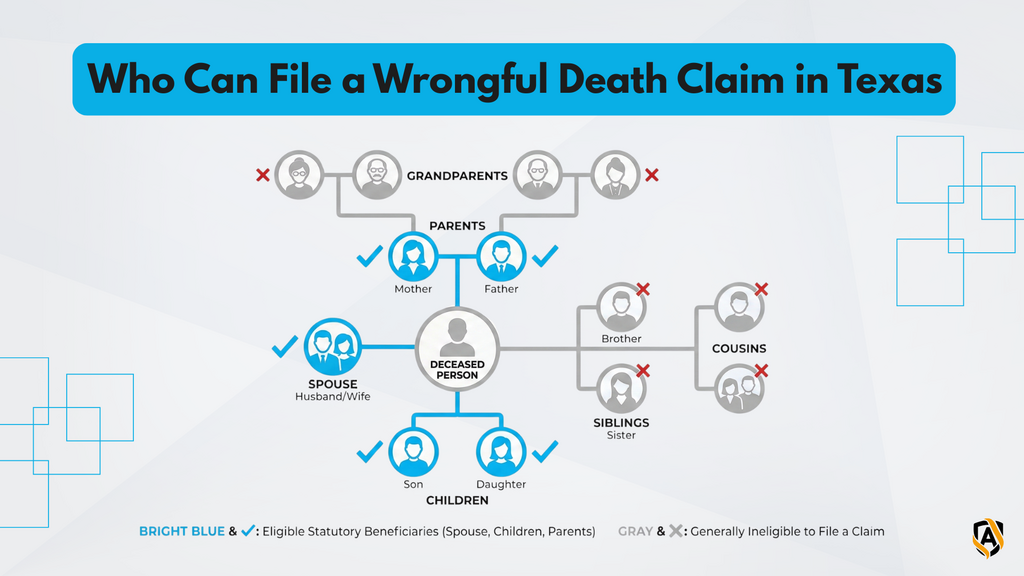
Under the Texas Civil Practice and Remedies Code, only a spouse, child, or parent can usually bring a wrongful death claim. These family members are called statutory beneficiaries, which means the law gives them the right to sue.
The Main Types of Damages Families Can Seek
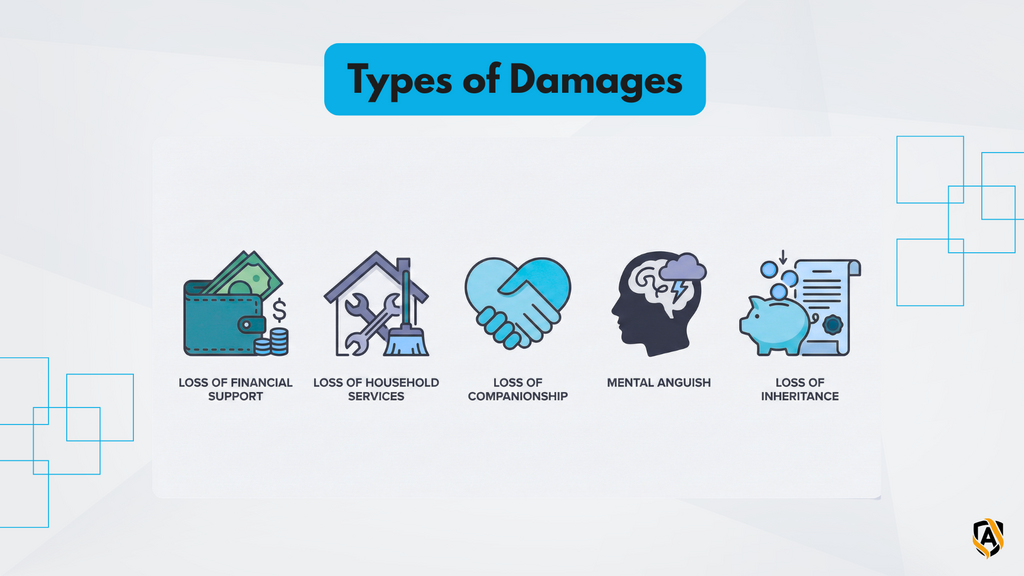
Wrongful death damages are meant to cover the losses the family experiences because the person is no longer here. Common categories in Texas include:
- Loss of financial support
This is the income, benefits, and financial help the person would have provided. - Loss of household services
This covers things like childcare, home maintenance, and everyday support the person regularly gave. - Loss of companionship and comfort
This is the emotional support, guidance, and presence the person offered. - Mental anguish
This refers to the emotional pain and suffering caused by the death. - Loss of inheritance
This is the amount the person would likely have saved and left to their family if they had lived a normal life expectancy.
Some cases also involve survival damages, which are part of a separate claim that covers what the person suffered before passing. This can include medical bills and pain and suffering. A survival claim belongs to the estate, not to the family members individually.
How Wrongful Death Damages Are Calculated
There is no single formula that applies to every case. Courts and insurance companies often look at several factors, such as:
- The person’s age, health, and earning history
- Their role in the family
- The emotional impact of the loss
- The long term effect on the family’s financial stability
Think of it like building a picture of what the person contributed to the family in both money and daily life, and what the family has lost because of their absence.
Common Misunderstandings
Many people believe wrongful death damages are meant to punish the person at fault. In most situations, damages are not about punishment but about compensating the family. Punitive damages, which are meant to punish, are possible only in certain cases where there was extreme wrongdoing.
Another common misunderstanding is that all relatives can file a claim. In Texas, only the spouse, children, and parents usually have this right.
When Families Should Consider Talking to a Lawyer
Wrongful death cases can be emotional and complicated. A lawyer can be helpful when:
- There are questions about who can file the claim
- The insurance company is offering a low settlement
- More than one party may be responsible
- There is disagreement within the family about how to move forward
Even talking with a lawyer for a short consultation can help you understand timelines, possible damages, and what steps typically come next.
FAQs About Wrongful Death Damages in Texas
What is the difference between wrongful death damages and survival damages
Wrongful death damages belong to the family and cover their personal losses. Survival damages belong to the estate and cover what the deceased person would have been able to recover if they had survived. These two claims often happen at the same time but serve different purposes.
Wrongful death damages belong to the family and cover their personal losses. Survival damages belong to the estate and cover what the deceased person would have been able to recover if they had survived. These two claims often happen at the same time but serve different purposes.
How long do I have to file a wrongful death claim in Texas
Most families have two years from the date of death to file. This deadline is called the statute of limitations, which means the legal time limit to bring a case. Some exceptions apply, but they are narrow, so acting early is usually important.
Most families have two years from the date of death to file. This deadline is called the statute of limitations, which means the legal time limit to bring a case. Some exceptions apply, but they are narrow, so acting early is usually important.
Can siblings file a wrongful death claim in Texas
Usually they cannot. Texas law gives this right only to the spouse, children, and parents. However, siblings may still be involved in the estate side of the process through a survival claim if appropriate.
Usually they cannot. Texas law gives this right only to the spouse, children, and parents. However, siblings may still be involved in the estate side of the process through a survival claim if appropriate.
Do wrongful death damages include funeral costs
Funeral and burial expenses are typically part of the survival claim through the estate. They can still be recovered, but they are not considered part of the wrongful death damages that go directly to family members.
Funeral and burial expenses are typically part of the survival claim through the estate. They can still be recovered, but they are not considered part of the wrongful death damages that go directly to family members.
Are wrongful death settlements taxable
In many cases, compensation for physical injury or death is not taxed by the federal government. However, certain parts of a settlement can be treated differently. A tax professional can help explain how general rules may apply to your situation.
In many cases, compensation for physical injury or death is not taxed by the federal government. However, certain parts of a settlement can be treated differently. A tax professional can help explain how general rules may apply to your situation.
Closing Thoughts
Losing someone unexpectedly can turn life upside down. Understanding the types of damages available in a Texas wrongful death case can help families feel more prepared and informed as they decide what to do next. If you are facing this situation, speaking with a licensed Texas attorney can help you sort through your options and protect your rights.
About the Author

Aaron B Mickens
For over 25 years, Aaron has fought for justice on behalf of Austin's injured. He is committed to standing up to insurance companies and winning for clients across Central Texas.
View all articles by AaronNeed Legal Help?
Contact our experienced Austin personal injury attorneys for a free consultation.