Swimming Pool Accidents: Drowning Risks in Apartments and Hotels
Residential and hospitality swimming pools represent common amenities throughout Texas, particularly in warm-weather regions. While intended for enjoyment, these facilities create significant safety concerns. Drowning remains among the most prevalent accidental injuries and fatalities associated with aquatic environments, affecting children and non-swimmers especially.
Why Apartment and Hotel Pools Pose Unique Drowning Risks
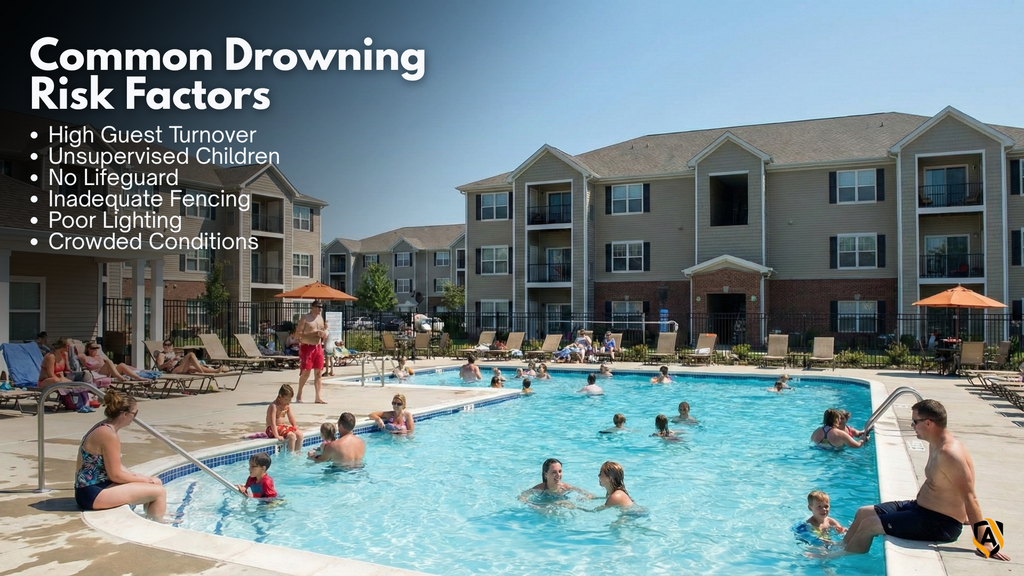
These commercial pool settings differ substantially from private residential installations in ways that elevate hazard exposure:
Frequent visitor transitions with unfamiliar facility layouts
Unattended children accessing aquatic areas
Sporadic or absent lifeguard supervision
Deficient perimeter fencing or malfunctioning gate mechanisms
Insufficient illumination during evening periods
Elevated occupancy during peak usage times
Property operators bear heightened accountability for managing foreseeable dangers in shared-use environments.
Common Causes of Swimming Pool Accidents
Drowning incidents typically develop from preventable circumstances accumulating progressively.
Lack of Proper Barriers
Texas regulations frequently mandate fencing, gates, and access controls preventing unauthorized entry, as established by the Texas Health and Safety Code. Damaged gates, missing hardware, or easily scaled barriers enable unsupervised entry by minors.
Inadequate Signage
Conspicuous signage communicating water depth, restricted diving zones, and operational guidelines proves essential. Absent or deteriorated signage may leave swimmers uninformed regarding hazards. Similar issues apply to wet floor signs and liability in Texas.
Poor Maintenance and Visibility
Turbid water, non-functional drain systems, or defective lighting impair visual detection of distressed swimmers. Prolonged response intervals substantially heighten drowning probability or lasting neurological damage.
No Lifeguard or Insufficient Monitoring
Numerous apartment and hotel facilities operate without dedicated lifeguard personnel. Absence of active supervision enables drowning to occur silently and rapidly, potentially within 60 seconds.
Alcohol Use and Poolside Behavior
Hotel aquatic venues frequently involve alcohol consumption. Impaired judgment elevates slipping incidents, shallow-water diving mishaps, or failure to recognize struggling swimmers.
Who Is Most at Risk of Drowning
Particular demographics face elevated vulnerability:
Young, non-swimming children
Toddlers accessing pools via unsecured entry points
Senior citizens with stability or medical complications
Facility-unfamiliar visitors
Solitary swimmers
Drowning frequently occurs without conspicuous indicators. Splashing and audible distress signals often don't accompany submersion incidents.
Texas Premises Liability and Pool Safety
Texas property liability statutes obligate apartment proprietors and hospitality operators to implement reasonable precautions safeguarding residents and guests, as outlined in the Texas Civil Practice and Remedies Code. This encompasses identifying recognized dangers and implementing corrections or communicating appropriate cautions.
Reasonable protective measures encompass:
Perimeter barriers with self-closing mechanisms
Regular structural inspections and upkeep
Adherence to applicable regulatory standards
Adequate visibility and instructional signage
Legal obligation satisfaction depends upon incident-specific circumstances, including victim classification, occurrence mechanisms, and existing protective infrastructure.
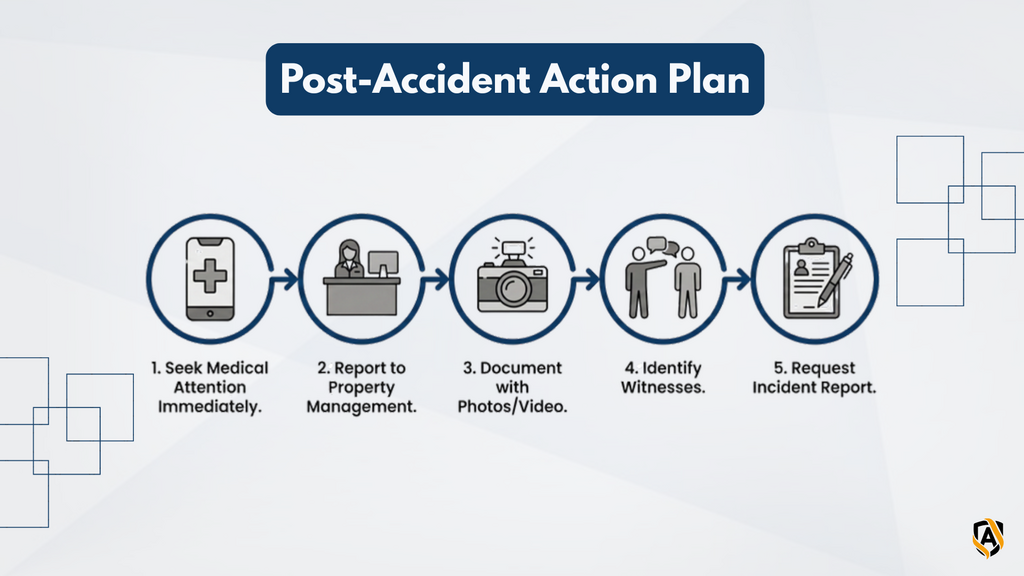
Immediate professional medical intervention proves crucial following submersion incidents, regardless of apparent recovery. Complications can manifest substantially later.
Additionally, individuals should:
Notify facility administrators
Record conditions photographically or cinematically
Are apartment and hotel owners required to have lifeguards in Texas?
Texas statute does not universally mandate lifeguard employment at commercial pools. Nevertheless, proprietors must implement "reasonable safety measures based on the type of pool and foreseeable risks."
Can a property owner be responsible if a child wanders into a pool area?
"Responsibility may depend on whether the pool area was properly secured" and access prevention measures existed.
Do warning signs protect apartment or hotel owners from responsibility?
"Warning signs can help communicate risks but do not replace the obligation to address known hazards or maintain a reasonably safe pool area."
How quickly can drowning occur in a swimming pool?
"Drowning can occur in less than one minute, especially for children. It is often quiet and may go unnoticed without close supervision."
What injuries can result from a near drowning incident?
"Near drowning incidents can lead to brain injury, lung damage, and long term neurological complications, even if the individual initially appears to recover."
For over 25 years, Aaron has fought for justice on behalf of Austin's injured. He is committed to standing up to insurance companies and winning for clients across Central Texas.