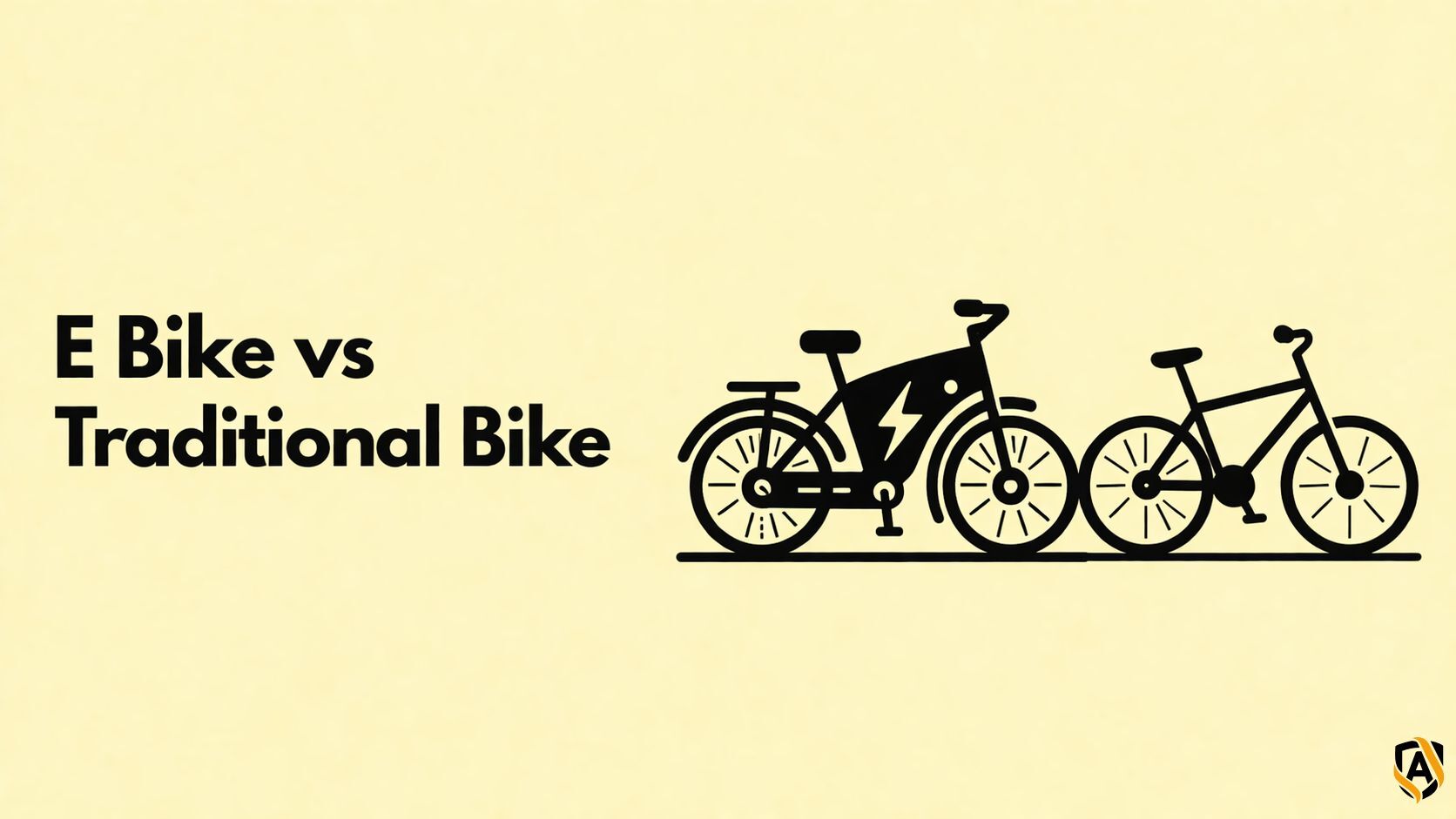
E Bike vs Traditional Bike Do Injury Laws Differ in Texas
Riding a bicycle in Texas-whether it is an electric bike or a traditional pedal-powered bike-is a popular way to get around, exercise, and enjoy the outdoors. When a crash causes injury, you may wonder if the law treats electric bikes differently from traditional bikes for liability and compensation.
This guide explains the similarities and differences in Texas injury laws for electric bikes and traditional bikes in clear terms without legal advice.
What Counts as an Electric Bike in Texas
In Texas, an electric bike is a bicycle that has pedals and an electric motor that assists with propulsion. The law groups electric bikes into categories based on motor power and top speed on level ground, as defined by the Texas Transportation Code. Generally, electric bikes must allow the rider to pedal and the motor cuts out at higher speeds. This definition matters because it affects where you can ride and what safety equipment might be required.
Traditional bikes are bicycles propelled only by human power without any electric assist.
Do Injury Laws in Texas Treat Both Bikes the Same
Yes, in many important ways the law treats electric bikes and traditional bikes the same when it comes to injury claims.
Duty of Care and Negligence
Texas uses general negligence principles in injury cases for both types of bikes. A responsible person or entity must act with reasonable care to avoid causing harm. If another road user, driver, or property owner fails to exercise that care and you are injured, the same standard applies whether you were riding an electric bike or a traditional bike.
Comparative Fault
Texas uses a modified comparative fault rule for personal injury claims. If you were partly at fault for the crash, your recovery may be reduced by your percentage of fault. This rule applies to injuries from electric bikes and traditional bikes alike. For more details, see Texas modified comparative negligence 51 percent bar rule.
Where Laws May Differ
Traffic Rules and Where You Can Ride
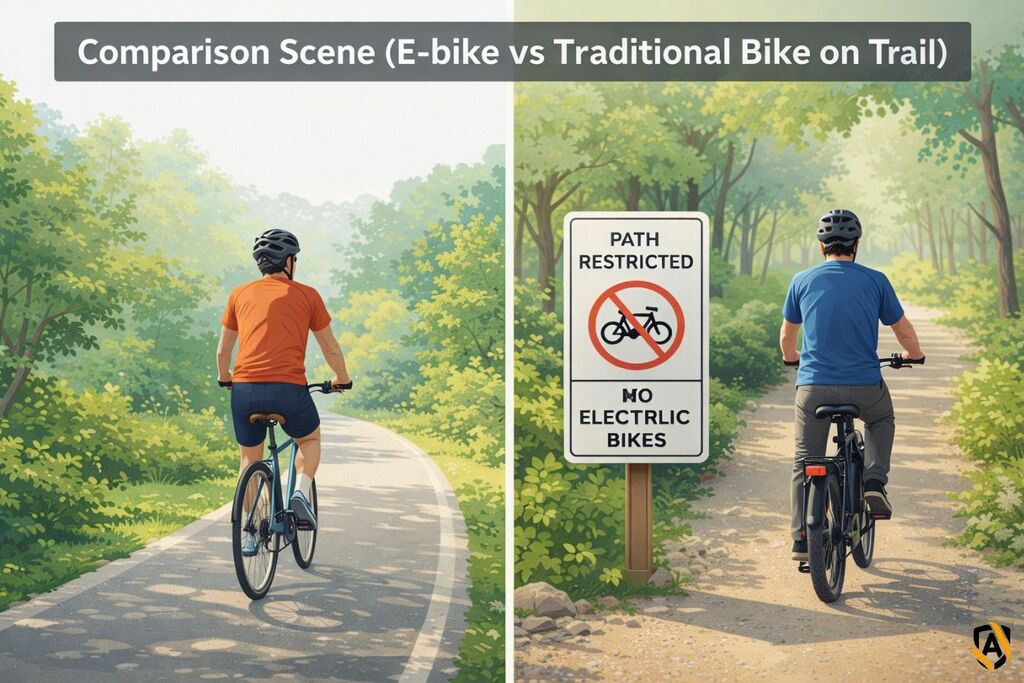
Electric bike laws in Texas may restrict where you can ride based on the class of electric bike. Some trails and bike paths may allow only human-powered bikes. Local ordinances can also regulate electric bike use. Traditional bikes generally have broader access to bike lanes, shared-use paths, and trails. These differences can affect liability if a crash occurs in a restricted area.
Understanding cyclist rights when no bike lane exists in Texas is important for both e-bike and traditional bike riders.
Helmet and Safety Requirements
Texas law currently does not mandate helmets for adult riders of electric or traditional bikes. However, local ordinances may require helmets for younger riders. Safety equipment requirements do not directly change how injury claims are handled, but they can affect fault and damages in a case.
According to the Consumer Product Safety Commission (CPSC), bicycle helmets significantly reduce the risk of head injuries.
Insurance Requirements
Texas law does not require riders of electric bikes or traditional bikes to carry insurance. Drivers of motor vehicles must carry liability insurance, and that is often the source of recovery for injured bicyclists. Some riders choose to purchase their own bicycle or personal liability insurance, but that is not required by state law.
How Liability Is Determined in a Crash
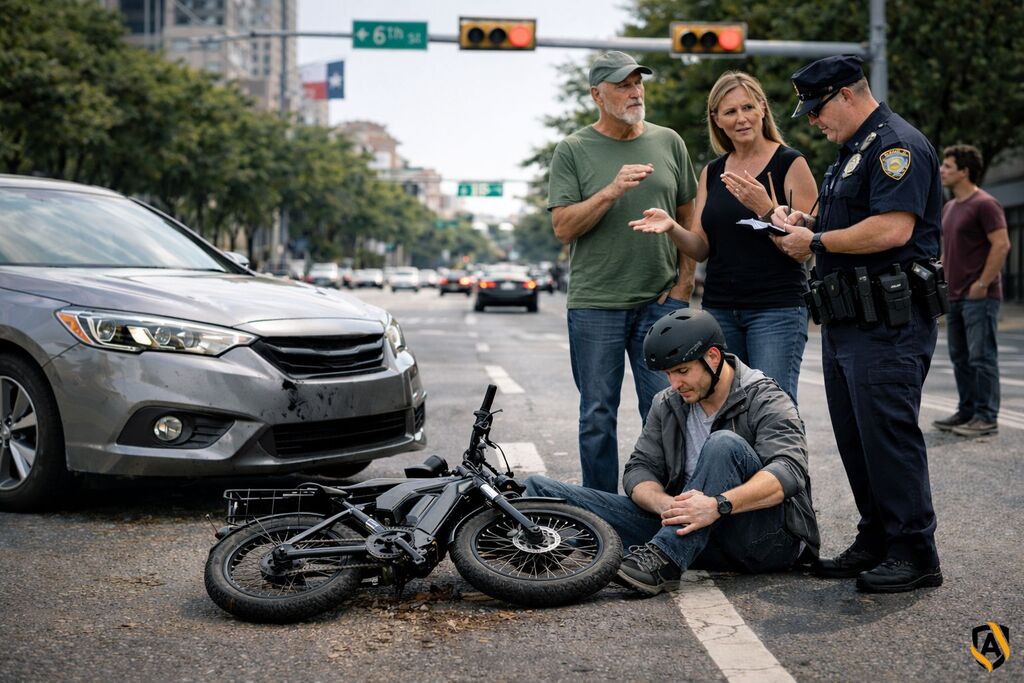
In a crash involving a motor vehicle and a bike-electric or traditional-the driver of the vehicle generally has a high duty of care. To establish liability, you must show the other party breached that duty and caused your injuries. Evidence may include police reports, witness statements, photos, and expert opinions. The type of bike does not change how the legal elements of negligence are applied.
In a crash between two cyclists, fault is determined by the same negligence rules. Factors such as failure to yield, ignoring traffic signals, or reckless conduct play a role regardless of bike type.
Specific types of bicycle accidents, like dooring accidents on South Congress and downtown Austin and right hook bicycle accidents at intersections, follow similar liability principles.
The National Highway Traffic Safety Administration (NHTSA) provides data on bicycle crash statistics and prevention strategies.
Practical Next Steps After a Crash
- Get Medical Care Promptly - Seek treatment for injuries as soon as possible.
- Document the Scene - Photos, videos, and witness contacts help preserve evidence.
- Report the Crash - Report to law enforcement if required and get a copy of the report. Understanding Austin police crash reports (CR-3 and TxDOT guide) can be helpful.
- Preserve Evidence - Keep your bike, helmet, clothing, and other items until reviewed.
- Talk to a Texas Injury Professional - Consult an attorney experienced in bicycle and electric bike cases to understand your options.
Understanding who pays medical bills after an Austin car accident is also relevant for bike accident victims.
Frequently Asked Questions
Does Texas classify electric bikes differently for injury cases?
"No Texas uses general personal injury laws for both electric bikes and traditional bikes. Differences arise mainly in where you can ride not in how liability is established"
Can I be at fault for my own injuries on a bike in Texas?
"Yes Texas applies comparative fault If you are partly to blame your recovery may be reduced by your share of fault"
Do I need insurance to ride an electric bike in Texas?
"No state law does not require bike riders to carry insurance but drivers of cars must have liability coverage"
Can local laws affect where I can ride an electric bike?
"Yes cities and counties can regulate electric bike access on paths and trails Violating those rules can impact liability"
Is helmet use required in Texas?
"Not for adults under state law but local ordinances may require helmets for minors"
The League of American Bicyclists provides comprehensive resources on bicycle rights and safety for all bicycle types.
Conclusion
In Texas, the core injury laws that govern liability, compensation, and fault work the same for electric bikes and traditional bikes. Differences mainly come from where electric bikes are allowed and local safety rules. If you were injured in a crash, understanding both state and local rules can help protect your rights.
About the Author

Aaron B Mickens
For over 25 years, Aaron has fought for justice on behalf of Austin's injured. He is committed to standing up to insurance companies and winning for clients across Central Texas.
View all articles by AaronNeed Legal Help?
Contact our experienced Austin personal injury attorneys for a free consultation.